Login / Register
Guest
Codec: HEVC / H.265 (71.8 Mb/s)
Resolution: Native 4K (2160p)
HDR: Dolby Vision, HDR10
Aspect ratio: 1.85:1
Original aspect ratio: 1.85:1
#Japanese: DTS-HD Master Audio 5.1
#Mandarin: DTS-HD Master Audio 5.1
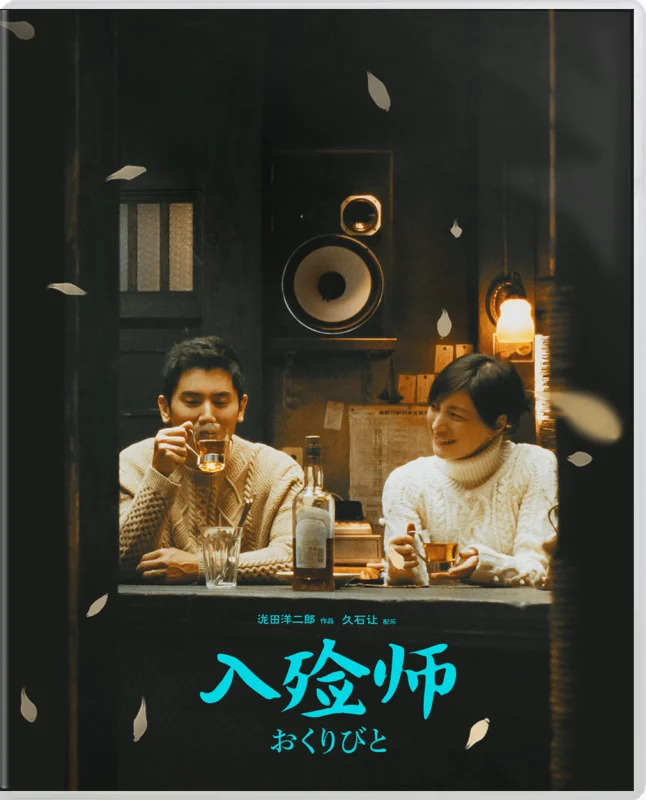
Like the smooth sounds of a cello, the film slowly but harmoniously instills in the viewer a sense of calm and sublimity characteristic of Eastern philosophy with every second of screen time and every frame.
The profession of a person who washes the dead and thus prepares them for their final journey seems, at first glance, disgusting and repulsive. After all, the corpse must be treated with respect, as if it were not a dead person but a living one, and not just any living person. Stuffing tampons into their mouths and other orifices; washing every inch of their cold bodies with a damp cloth; applying marble-colored makeup to their faces; and seeing the tears and despair of the deceased's relatives and loved ones from a distance of a few inches.
But in the process of performing this entire procedure, which is based on the principles of the tea ceremony (as the filmmakers hint at more than once), the main character realizes that these unfortunate (or fortunate) people never received such honors in their lifetime as they do now; that they never looked as beautiful as they do now. And even then, when their souls are looking down on the world from above, he makes sure that their bodies, on the fragments of their short existence, at least now touch the exquisite aesthetics of human existence, and along with this, the fond memory of those who have passed away will be replenished with a few more drops of kindness and warmth.
Love while the one you love is still near.
 Telegram and be the first to know about updates!