Login / Register
Guest
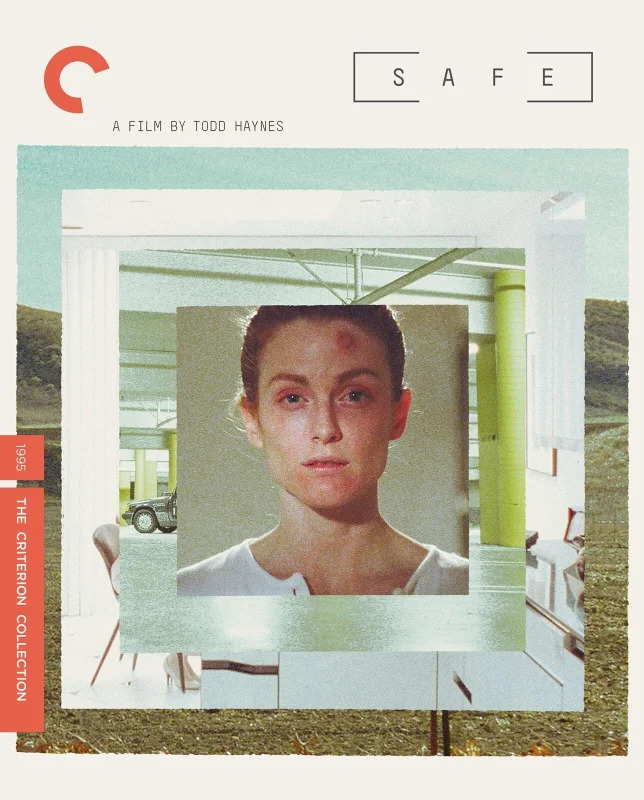
Codec: HEVC / H.265 (94.1 Mb/s)
Resolution: Native 4K (2160p)
HDR: Dolby Vision, HDR10
Aspect ratio: 1.85:1
Original aspect ratio: 1.85:1
#English: FLAC 1.0
#English: Dolby Digital 1.0 (Commentary by director Todd Haynes, actress Julianne Moore, and producer Christine Vachon)
Whether it’s because of deeply personal childhood memories of the ladies from the ’80s, or because Lynch really outdid himself in *Blue Velvet*, the film exudes a quiet, satanic undertow—one in which, as we know, devils always lurk. And it’s no surprise that the genre is listed as “thriller.” But I hasten to reassure eager viewers—don’t expect any murders. Just drama. Psychopathic. Paranoid and schizophrenic. In short, quiet horror. Well, if you count chemicals as killers, then we can still call it a thriller...
From 1995, Todd Haynes takes us back to 1987. Aerobics is all the rage. Madonna’s “Lucky Star” plays on the speakers. In sunny California, everything is fine—housewives grow yellow roses, decorate their homes, follow fruit diets, and seem quite cheerful. Not even the death of a loved one can cast a shadow over their faces. As I mentioned earlier—the devil really had a field day. The tension and sense of foreboding that something terrible and irreversible was about to happen never left me until the very end. And no wonder! It’s hard to call these sounds “music”—for some reason, they reminded me of Lynch and his *Mulholland Drive*—the opening scene where the car drives through quiet, deserted streets, as if in a dream—and so, they plunge the viewer into a terrifying abyss of apathy, suppressed desires, and unfulfilled hopes. I suppose this is what emptiness and loneliness sound like. A vacuum. And it’s terrifying.
In "Safe", there are no vivid emotions, no dialogues full of passion or enthusiasm. It’s as if there is no life at all in "Safe". And that’s just as frightening. Carol White, one of the characters, is struck down by an inexplicable illness. Fatigue, bouts of suffocation, fainting spells. Who’s to blame? The environment, of course. And here, Haynes really lets loose. He plays with genres, veering into sophisticated documentary-style storytelling—like those exposé TV shows that open our eyes to the nightmares of the consumerist world—yet he still reserves the leading role for Carol. Who is she? Why is she suffocating? The answer is never given.
Words are merely a means of getting to the truth. And the truth is this: what’s happening all around us—including to us—isn’t the fault of some faceless “someone.” We are to blame. And no changing locations, oxygen masks, or little houses will save us from what’s inside. And there—it’s still the same pit and the sound echoing off the metal wall. A vacuum. A refrigerator.
 Telegram and be the first to know about updates!