Login / Register
Guest

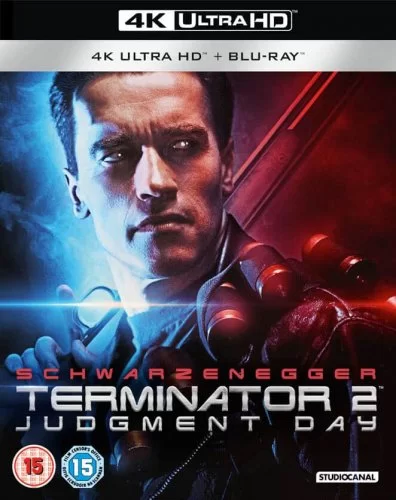
Codec: HEVC / H.265 (56.6 Mb/s)
Resolution: Native 4K (2160p)
HDR: Dolby Vision, HDR10+
Aspect ratio: 2.39:1
Original aspect ratio: 2.39:1
#English: Dolby TrueHD with Dolby Atmos 7.1 (48kHz, 24-bit)
#English: Dolby Digital 5.1
#French (Canada): Dolby Digital Plus 7.1
#French: Dolby Digital Plus 7.1
#Spanish: DTS 5.1
#Spanish (Latino): Dolby Digital Plus 7.1
#German: Dolby Digital Plus 7.1
#Italian: Dolby Digital Plus 7.1
Sam Raimi’s "Send Help" is a wild, grotesque, and intriguing thriller that manages to be both a caricatured satire on office dynamics and a survival story.
The film begins with a classic office story. Linda (Rachel McAdams), a “workhorse” whom everyone exploits, lives in hope of a promotion from her new narcissistic boss, Bradley (Dylan O’Brien). Ramey doesn’t waste time on subtleties: all the male executives here are deliberately written and played as caricatures, with such bold satirical strokes that their inevitable and swift demise in the first act evokes not shock or sympathy, but almost relief—like a necessary purge to kick off the main action. This is not a “all men are bad” manifesto and certainly not an agenda, but a classic technique for quickly establishing the backdrop and tone of a dark comedy.
The dynamic between the characters is the film’s main driving force. Rachel McAdams and Dylan O’Brien perfectly capture their sharp on-screen chemistry, shifting from hatred to a strange dependence with convincing ease.
Rami doesn’t shy away from nasty, absurd, and exaggerated scenes, making the viewer alternately laugh and cringe at what’s happening on screen. Linda miraculously evolves from a clumsy coworker who struggles to light a fire into an all-knowing genius-maniac of the wild, which significantly undermines the realism and believability of her character. The film begins to insistently suggest that Linda is far more comfortable on this island than in her real life, repeating a familiar trope from *Love on the Island*, but with a darker and more psychological undertone.
It is precisely in this shift in tone that a small problem lies. The third act, attempting to blend black comedy, psychological drama, and a fast-paced finale, begins to falter. Not all plot twists are equally convincing, and some of the characters’ motivations require a fair amount of faith in the island’s magic rather than in logic. Raimi sometimes gets carried away, leaving rational explanations off-screen in favor of spectacular and provocative moments.
Ultimately, this isn’t a cold-blooded thriller, but a straightforward and energetic piece of entertainment. It doesn’t weigh you down with deep meanings, doesn’t pretend to be serious, and is perfect for laughing, eating popcorn, and spending time with friends without burdening yourself with unnecessary thoughts.
 Telegram and be the first to know about updates!