Login / Register
Guest
Codec: HEVC / H.265 (63.7 Mb/s)
Resolution: Native 4K (2160p)
HDR: Dolby Vision, HDR10
Aspect ratio: 1.85:1
Original aspect ratio: 1.85:1
#Cantonese: FLAC 2.0
#Cantonese: DTS-HD Master Audio 5.1
#Mandarin: FLAC 1.0
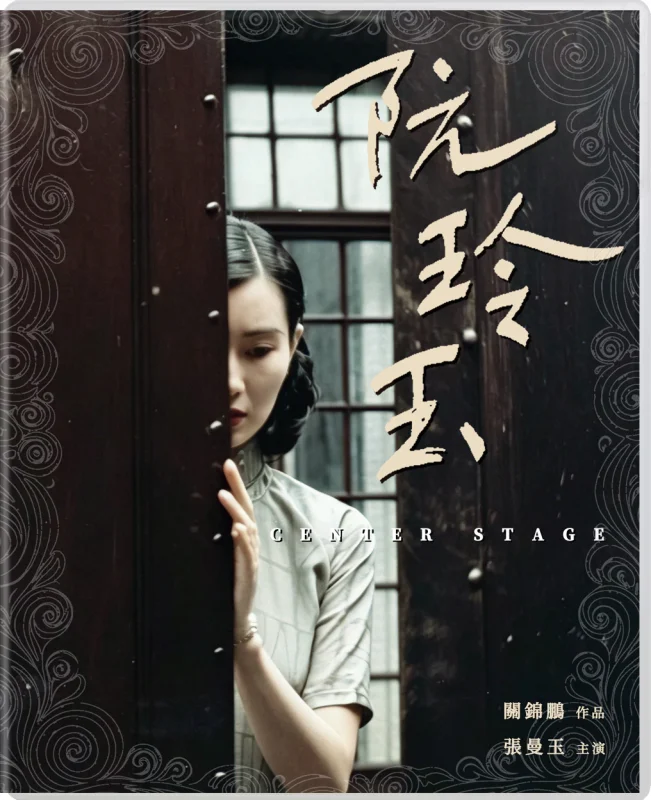
Ruan Lingyu—an iconic figure in the history of Chinese cinema—embodied an entire era and marked a milestone in its development. A young and talented actress—the “Greta Garbo of silent cinema”—who passed away at the height of her fame and popularity, her life and death compel people to look back to the times when she lived, loved, suffered, and played her best roles. Director Stanley Kwan also fell under the spell of her personality; he made more than just a biographical film—with its inherent irrefutability and logic, since the main facts and events of the protagonist’s life cannot be altered, given that they actually happened—but one can only portray them from different perspectives and express one’s opinion. In this sense, Kwan went even further; he adopted a conversational format in which the actors did not merely play their roles but expressed their views on various topics and discussed the motivations behind their characters’ actions. He alternates these scenes with dramatized footage, documentary footage, and dialogues between the actors and themselves. The film is somewhat like a patchwork quilt in that the black-and-white imagery alternates with color and vice versa; the interviews with the actors were shot on black-and-white film, which
better conveying the emotions they express in response to questions, whether it’s Maggie Chung’s laughter or Lawrence Ng’s bewilderment
Ruan Lingyu rose from a maid to become the leading lady of Chinese cinema. There were three men in her life who shaped her entire destiny: her husband—whose relatives helped her break into the film industry—a wealthy patron, and a director. Her relationships with them form the central axis of the film; all the events of the movie unfold around them, creating an intersection of storylines with the actress at its center.
The cast is superb—featuring Maggie Cheung, Tony Leung Ka-fai, and Carina Lau. They didn’t just act; they sought to delve deep into their characters’ lives and understand their life stories. Maggie Cheung won the Best Actress award at the Berlinale for this film.
I especially remember the scene where Ruan Lingyu was filming her final scene in *New Women*; she burst into tears. Then the camera cut to Tony Leung, who played the director; he was sitting next to her and wanted to lift the blanket under which the actress had buried herself, but couldn’t—behind him, the film crew and Stanley Kwan himself suddenly appeared. The result was a film about how another film is made.
Recommended viewing for fans of biopics, those interested in the history of world cinema, and fans of Asian films.
 Telegram and be the first to know about updates!