Login / Register
Guest
Codec: HEVC / H.265 (94.1 Mb/s)
Resolution: Native 4K (2160p)
HDR: Dolby Vision, HDR10
Aspect ratio: 2.00:1
Original aspect ratio: 2.00:1
#English: DTS-HD Master Audio 5.1 (48kHz, 24-bit)
#English: Dolby Digital 2.0 (Commentary by writer-director Mike Mills)
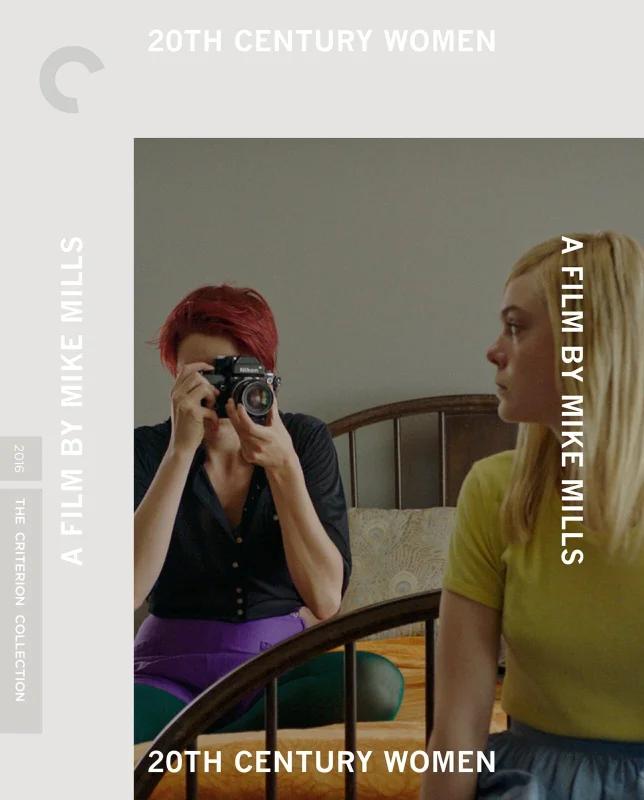
There’s a reliable rule of thumb in modern cinema that almost never fails: if the movie poster features several smiling people in bright clothes standing in a row and (most importantly) if the photo has sun glare, then there’s a 99% chance we’re looking at a typical example of a so-called indie film about nothing—in the best sense of the word. "Women of the 20th Century" is exactly that kind of film—without a clearly defined plot, but with well-developed characters, vivid imagery, a meticulously recreated spirit of the times, gentle irony, and authentic dialogue. Each character in this film gets their “five minutes of fame”—some step into the spotlight, others fade into the background—and together this creates a rather entertaining cinematic cocktail. The closest parallels I could draw are films such as David McKay’s "The Ten-Inch Hero", Richard Linklater’s "Boyhood", Noah Baumbach’s "Sweet Francis", and, for example, Stephen Chbosky’s "The Perks of Being a Wallflower".
The most striking character here, of course, is Dorothea herself, beautifully portrayed by Annette Bening. Despite her apparent outward confidence, her character constantly doubts her abilities as a mother, smokes one cigarette after another, makes money through stock market trading, and from time to time—almost out of habit—thinks that it wouldn’t be so bad to find herself a man, any man at all. Greta Gerwig also created a wonderful character on screen: on the one hand, her Abby is undoubtedly a very unhappy young woman; on the other hand, she is self-sufficient, pleasantly feminist, and possesses a tremendous desire to become a fully functioning person again as soon as possible. Her scene at the holiday dinner table, when she made all the men talk about menstruation, was simply magnificent. I liked William, Julie, and young Jamie a little less, but the main thing is that all five characters created a believable and appealing collective portrait of that era and those mores on screen.
 Telegram and be the first to know about updates!
 [/xfnotgiven_poster]