Login / Register
Guest
Codec: HEVC / H.265 (56.5 Mb/s)
Resolution: 4K (2160p)
HDR: Dolby Vision, HDR10
Aspect ratio: 2.39:1
Original aspect ratio: 2.39:1
#Indonesian: Dolby TrueHD with Dolby Atmos 7.1
#Indonesian: Dolby Digital Plus with Dolby Atmos 5.1
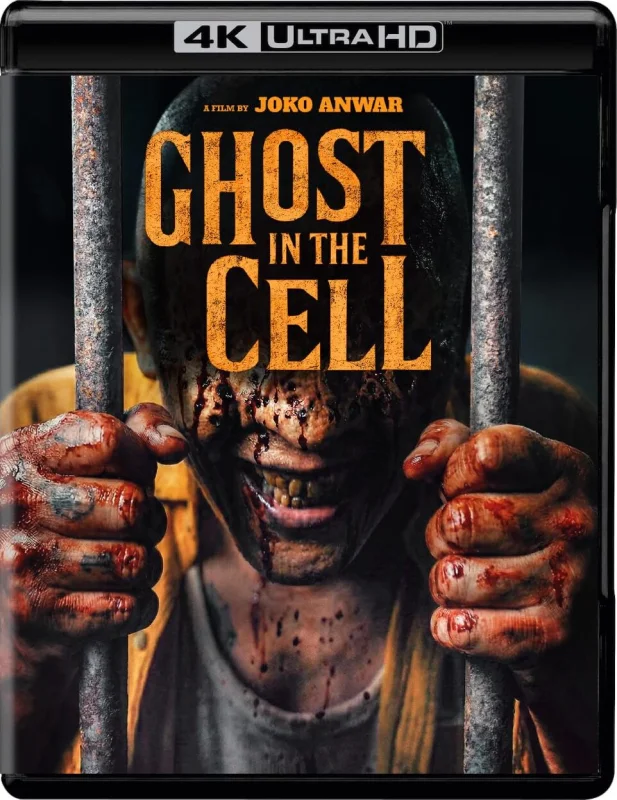
Reporter Dimas is sent to prison on charges of brutally murdering his boss. With his arrival at the prison, a series of inexplicable murders begins, and rival inmate clans are forced to work together to survive.
The last thing I expected from a horror film by Indonesia’s “King of Horror,” Joko Anwar, was a dark comedy about corruption in Indonesia set in an atmosphere reminiscent of… *The Shawshank Redemption*. Yes, the plot revolves around the spineless and quiet Dimasa, who is clearly involved in the rampage of evil forces, but there is another leader in the prison—the inmate Angorro, who plays the role of Andy Dufresne from *The Shawshank Redemption*. He is calm, analytical, weighs the risks, makes unconventional decisions, and uses his informal influence to protect other inmates from a sadistic guard—and from one another.
True, protecting them from dark forces is a more complicated task, and here he’s aided by a whole local “club of misfits”—outsiders who haven’t joined any gang and who would clearly have perished one by one long ago. One of them has a useful ability—he’s an empath and can see a person’s “aggression level” as an aura. Why is this useful? Because the mysterious ghost, who turns his victims’ bodies into veritable art installations, attacks according to a simple principle: he goes after the angriest person. So the heroes will need quick relaxation techniques—for example, a cheerful dance in the middle of a heated fight.
It’s quite entertaining to watch. Just when you’re getting into the spirit of a roguish comedy in the vein of Rob Schneider’s "Big Stan", some poor soul is immediately dismembered and hung in the prison shower so that water pours out of his throat. Just when you’re bracing yourself for some BDSM mayhem in the vein of "From Hell", a political satire kicks in, where the prison authorities grovel humiliatingly before a corrupt inmate. Then come some Jackie Chan-style comedy stunts. And the finale even reaches the level of an uplifting drama about human rights in a corrupt society. You’d be hard-pressed to find such a riot of genre diversity in European or American horror—but Asia—in this case, Indonesia—is capable of surprising you.
Each “art installation” by the evil forces is a terrifying work of art, resembling the exhibits of embalmed corpses from the exhibitions of anatomist Gunther von Hagens, who passed away a week ago. The credits even specifically list which design team worked on each “object.” The attack scenes themselves are quite gory—one character in particular had a rough time in the prison kitchen, where the ghost creatively put cooking utensils to use. The ghost itself is multifaceted—it appears to its victims in their own likeness (a fairly common trope these days)—but its face is disfigured by ulcer-like holes, which viewers with trypophobia (a fear of clusters of small holes) would be wise to avoid looking at.
In keeping with a bad tradition, the film has been cut by censors—I don’t know exactly what was cut, but you can tell: for example, in the scene where the characters decide to take dance lessons to reduce their anger (some censors seem to know that bad things can happen when men in prison dance. On the other hand, the classic scene with the bar of soap falling in the shower remained—apparently, the censors found this plot device quite conventional).
In short, if you enjoy unconventional plot twists in horror and stories that go beyond the confines of a specific genre—I recommend it. And don’t leave during the credits: the film crew will show you just how much fun they had between takes.
 Telegram and be the first to know about updates!